youtube / available
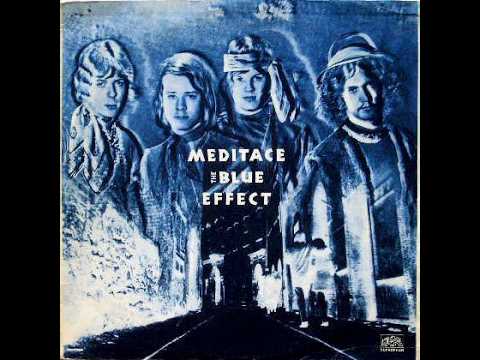
BLUE EFFECT (MODRÝ EFEKT)-MEDITACE (1970 Jazz Rock/Fusion • Czech Republic)Full Album
Uploaded by Uncle Lakis / Music Time Machine /For Collectors
Art rockBluesFusionUnidentified upload

Uploaded by Uncle Lakis / Music Time Machine /For Collectors . Identification candidates are research leads, not confirmed recording metadata.
YouTube playback is for listening and research only. A public upload does not authorize sampling or production use; producers must obtain audio and permissions separately.
These values are unconfirmed candidates, not established artist or release facts.
No identification candidates were parsed from this upload.
No track timestamps were parsed from this upload.
Unidentified upload. No recording candidate has been established.
No external evidence is attached to these candidates.
Jean-Pierre Alarcen biography Guitarist Jean-Pierre Alarcen was recognised as a talented session musician in the 60's. The first LP he contributed to was 1966's "Les Guitares du Dimanche". Around that time, he worked with well-known French artists such as the pop-singer Jacques Dutronc and also with LE SYSTEME CRAPOUTCHIK. Following the advice of a small label's artistic director, drummer Michel Jullien, keyboardist Henri Garella, and bassist Christian Clairefond contacted Alarcen. They, as EDEN ROSE, went on to release a bluesy progressive rock influenced LP called "On the Way to Eden" in 1970. Unfortunately, problems arose and the band soon disbanded. Fortunately, they soon reformed under a new name, SANDROSE, in 1971, where they made a larger impression on progressive rock. The single (well 'double-single' "Old Dom is dead" and "Vision" was successful. They were joined by vocalist Rose Podwojny for their self-titled 1972 studio album, but it would be the last. Although SANDROSE only released one studio album, it is acclaimed by many as a very significant album of French "symphonic" progressive rock. Following SANDROSE, Jean-Pierre Alarcen worked with many respected French musicians and composers such as Bernard Lubat, and Michel Zacha with NOVA (a bossa nova latin style jazz group). He also worked on a French recording of the musical HAIR. In 1978 Alarcen released his first "solo" album. He worked again with Michel Zacha. Didier Lockwood's brother Francis was part of the line-up, as was Jean-Paul Asseline who had been with Magma, and others. It is a predominantly jazz-rock album with Zeuhlish elements (ZAO-like in "Nationale" and a touch of Magma in "Salut Besson"), funk, blues, ambient, Latin American musical stylings in "Sambala" most ovbiviously (Santana is an influence and Alarcen worked with Zacha again. there's also Chick Corea stylings). In "Mon amour, mon amour" and "Vieux garcon", western art styled music (i.e. so-called "classical" style music) comes to the fore. The classical-styled pieces are a precursor of things to come. In 1979, he released his next album, "Tableau No. 1". This work in three movements has more ambient (somewhat The ENIDish) and symphy qualities, but also has jazz and Zeuhlish elements. It's more in the romantic "classical" (to mix my eras in a poor turn of phrase) with melodic rock styled camp than before, but with dramatic contrast. Soft ambient music turns into jazzy guitar driven rock. Allan Holdsworth springs to mind as a possible influence on his guitar work here, as well as McLaughlin. The third movement in particular has exciting funky bass guitar-driven work. It ends with music that rather reminds me of Toto's "Dune" soundtrack. Alarcen went back to session musician work (working well well-known artists), and it wouldn't be until 1998 that he would release his next album -- "Tableau No. 1's" follow-up "Tableau Non. 2" (or as I like to call it, Tableau 2: The Revenge of the Tableau." With this release he went more into the academic "symph" music side. It is aptly named, because he paints quite a picture on his musical canvas. It is in turns dark and brooding, or ethereal and ephemeral. Like with his other forays into more formal academic music, keyboards take the place of a symphony, and here the guitar takes on classical music overtones. ------------- written by Greg 'Logan' M. ----------------- Studio Album, released in 1978 Songs / Tracks Listing 1. Sambala 00:00 2. Salut Besson 07:06 3. Mon Amour 11:04 4. Nationale 20 14:46 5. Soir 22:01 6. Vieux Garcon 27:14 Total Time: 31:18 Line-up / Musicians - Jean-Pierre Alarcen / guitar, keyboards - Gérard Choen / drums, percussions - Jean-Lou Besson / drums, percussions - Francis Lockwood / keyboards - Jean-Paul Asseline / keyboards - Serge Millerat /percussions - Claude Arini / keyboards, orchestral direction - Michel Zacha / choirs - Alain Rivet / choirs
Uploaded by Uncle Lakis / Music Time Machine /For Collectors
Art rockBluesFusionUnidentified upload
Uploaded by Uncle Lakis / Music Time Machine /For Collectors
FusionPsychedelic rockUnidentified upload
Uploaded by Uncle Lakis / Music Time Machine /For Collectors
FunkSalsaSoulUnidentified upload
Uploaded by Uncle Lakis / Music Time Machine /For Collectors
BluesPsychedelic rockUnidentified upload
Uploaded by Uncle Lakis / Music Time Machine /For Collectors
Space rockUnidentified upload
Uploaded by Uncle Lakis / Music Time Machine /For Collectors
BluesCountryPsychedelic rockSoulUnidentified upload
Uploaded by Uncle Lakis / Music Time Machine /For Collectors
FunkFusionProgressive rockUnidentified upload
Uploaded by Uncle Lakis / Music Time Machine /For Collectors
Canterbury sceneProgressive rockUnidentified upload