youtube / available
PHILEMON HAMOLE AND ABAFANA BESIMANJE - Take It
Uploaded by AnalogAfrica
FunkSoulUnidentified upload
Uploaded by AnalogAfrica. Identification candidates are research leads, not confirmed recording metadata.
YouTube playback is for listening and research only. A public upload does not authorize sampling or production use; producers must obtain audio and permissions separately.
These values are unconfirmed candidates, not established artist or release facts.
No identification candidates were parsed from this upload.
No track timestamps were parsed from this upload.
Unidentified upload. No recording candidate has been established.
No external evidence is attached to these candidates.
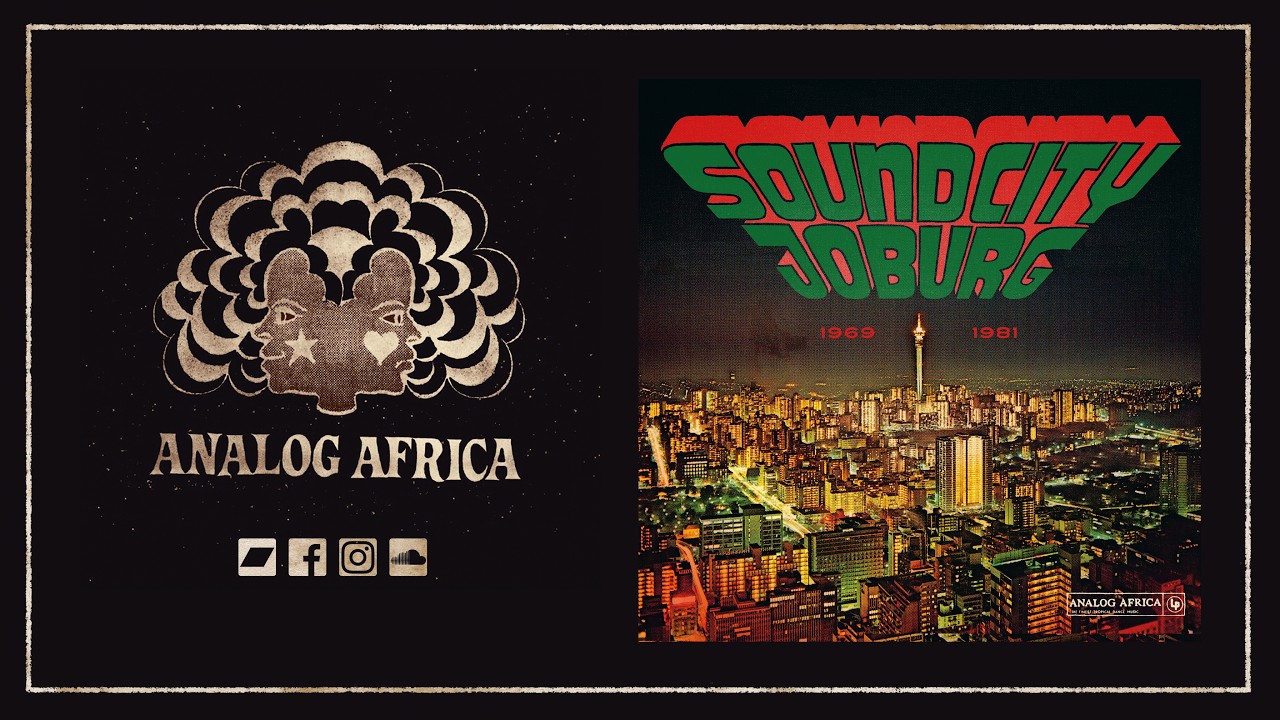
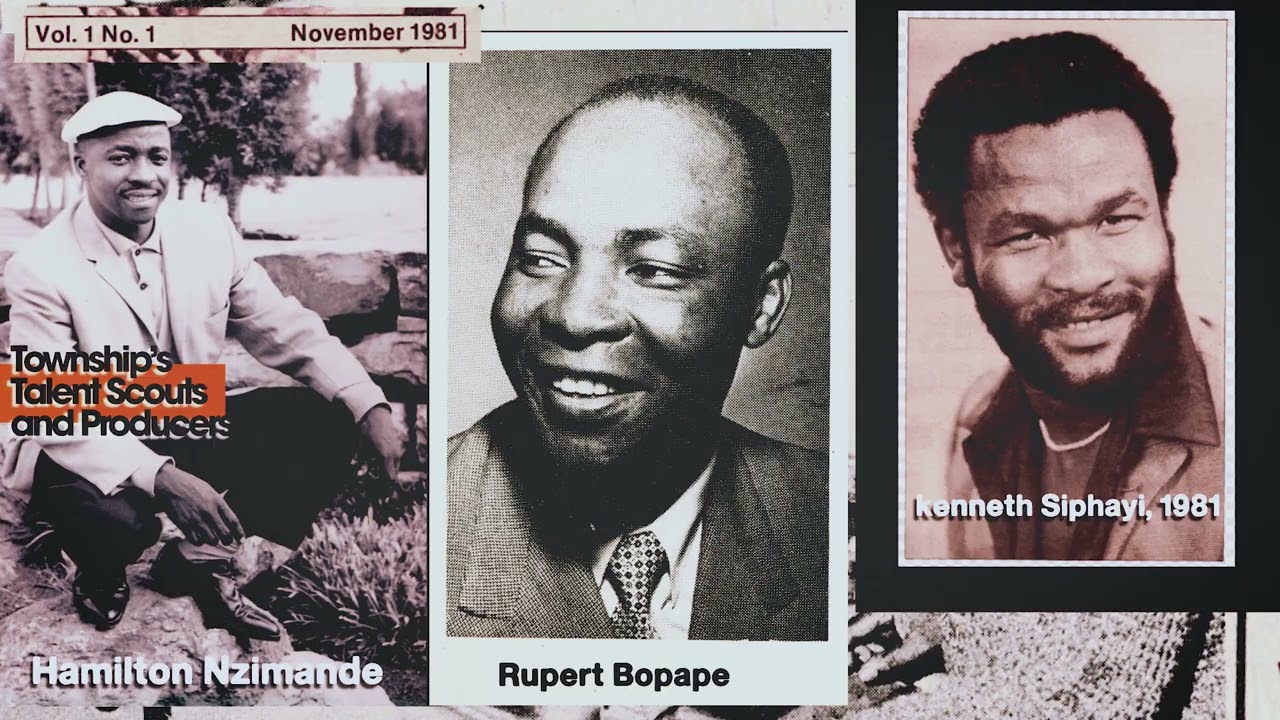
Soul, Disco and Funk crossed the Atlantic ocean, landed on South Africa's fertile shores, and found new life in the hands of local musicians, who made them their own, giving rise to the unmistakable sound of Johannesburg's Townships. SUBSCRIBE TO ANALOG AFRICA´s CHANNEL - http://bit.ly/2riUuLL VISIT ANALOG AFRICA - https://analogafrica.bandcamp.com/ LIKE ANALOG AFRICA - https://www.facebook.com/AnalogAfrica FOLLOW ANALOG AFRICA - https://www.instagram.com/analogafricarecords/ NEWS ABOUT ANALOG AFRICA - https://linktr.ee/analogafrica FOR LICENSING AND ENQUIERES PLEASE CONTACT : info@analogafrica.com During the 1960s and 1970s, American soul and funk crossed the Atlantic Ocean, landed on South Africa’s fertile shores, and found a new life in the hands of local musicians. Inspired by sounds arriving through records, radio and travelling musicians, a young generation began experimenting, fusing these seemingly alien influences with traditional rhythms, jazz and local dance music. What emerged was a uniquely South African sound they dubbed Township Soul — an umbrella term for a myriad of musical styles, some of which had no names yet. This wasn’t imitation. Musicians absorbed those influences and bent them until they belonged to Johannesburg. Across Joburg, every township had its champions and nearly every neighbourhood its own bands. Alexandra moved to the sounds of The Movers, The Flaming Souls, The Anchors and The In-Laws, while Soweto answered with groups such as The Beaters — later known as Harari — The Care Frees and The Young Ones. Competition was fierce, and for many artists arriving with little more than their instruments and dreams of fame, breaking into the city’s music scene was a gamble. Facing police harassment, apartheid pass laws and curfews, they risked everything; yet, driven by ambition, they kept going, unable to resist the pull of music. At night, the scene came alive. Bands performed in shebeens, garages, driveways, community halls, theatres and clubs, while larger acts graduated to stadiums and nationwide tours. Performances regularly stretched deep into the night, sometimes until sunrise. The legendary 6-to-6 gigs became known as akulalwa — literally, “no sleeping at the gig” — as tightly packed audiences demanded that the music continue. Centred around record labels, recording studios and performance venues, and driven by a generation of visionary producers, Johannesburg — also known as eGoli, the City of Gold — became a melting pot of musical ideas. Musicians competed, collaborated, changed bands, shared techniques and pushed one another forward. A tightly connected network of producers, talent scouts, record shops, studios and live venues allowed a remarkable new urban sound to take shape. Among the most influential figures behind the scenes were the producers and talent scouts known as the Big Five: Rupert Bopape, Hamilton Nzimande, Strike Vilakazi, David Thekwane and West Nkosi. Working between township musicians and major record companies, they discovered artists, shaped recordings and helped define some of the most important sounds of the period. With the help of collector extraordinaire Vusi “El Metalo” Hlatywayo and writer Sam Mathe, we gathered a treasure trove of articles that helped us piece together the story behind the music. Sound City Joburg brings that history together through a selection of rare recordings and a 16-pages magazine-format booklet filled with photographs and stories of the musicians who made them.
Uploaded by AnalogAfrica
FunkSoulUnidentified upload
Uploaded by AnalogAfrica
CountryFunkHouseSoulUnidentified upload
Uploaded by AnalogAfrica
CountryFunkHouseSoulUnidentified upload
Uploaded by AnalogAfrica
CountryFunkHouseSoulUnidentified upload
Uploaded by AnalogAfrica
CountryFunkHouseSoulUnidentified upload
Uploaded by AnalogAfrica
CountryFunkHouseSoulUnidentified upload
Uploaded by AnalogAfrica
CountryFunkHouseSoulUnidentified upload
Uploaded by AnalogAfrica
CountryFunkHouseSoulUnidentified upload